The future of carbon neutrality depends on technological solutions capable of transforming industrial and agricultural waste into valuable resources. The JETCELL project focuses on molten hydroxide direct carbon fuel cells (MH-DCFC), devices capable of generating electricity directly from carbon-based materials.
The challenge: from batch energy to continuous flow
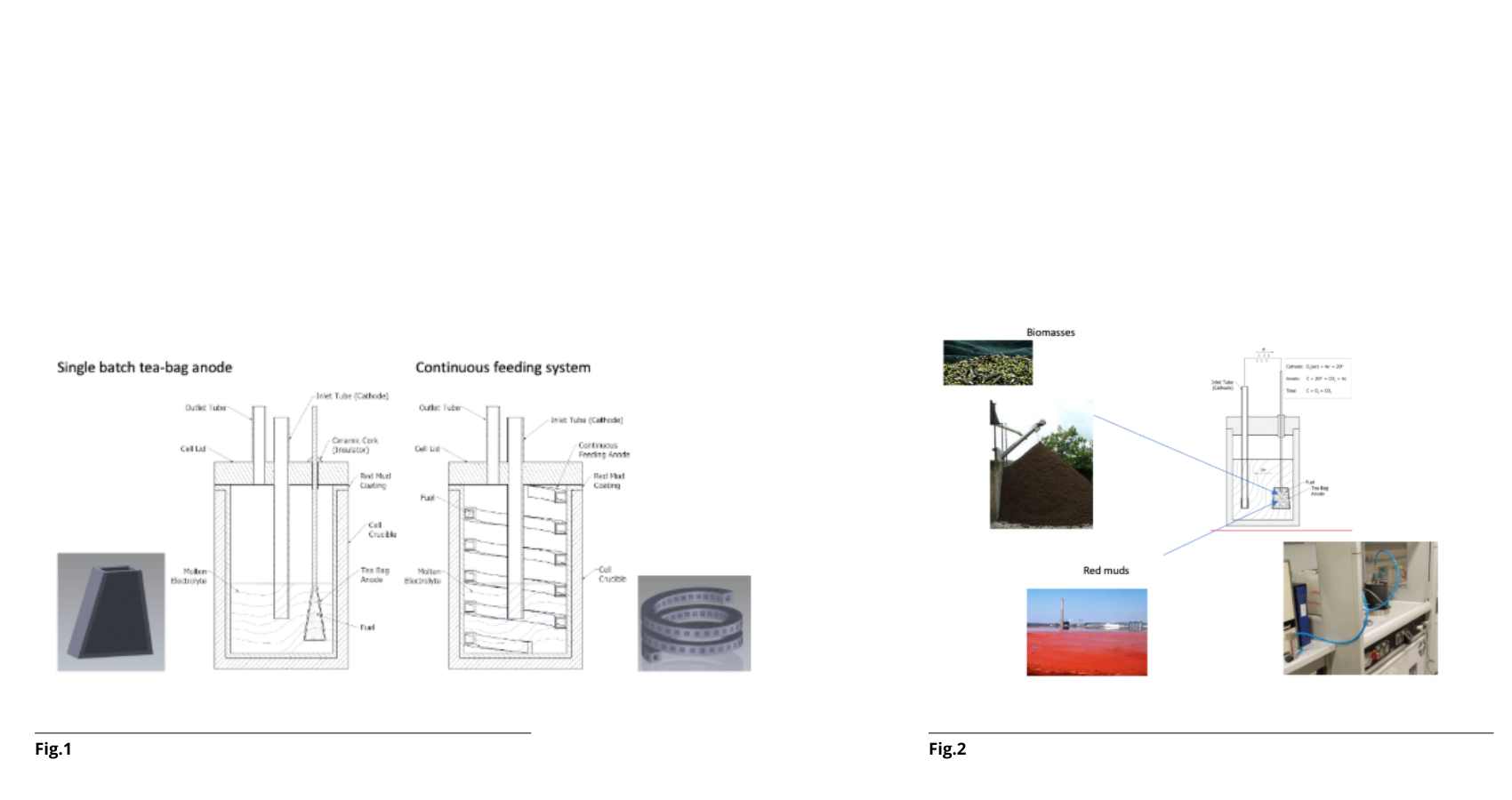
In the current configuration, the fuel cell operates in batch mode, which requires periodic shutdowns to remove the spent fuel and replace it. Therefore, designing an innovative anode capable of continuous feeding while simultaneously evacuating exhausted fuel is a key challenge to make this technology efficient from an energy supply perspective (Fig. 1).
A green synergy between agriculture and industry
MH-DCFCs are powered by carbonaceous materials; therefore, to avoid fossil fuel consumption and CO₂ generation, the fuels used will be biogenic in nature, derived from organic matter (i.e., plants, trees, soil). Specifically, the selected raw material, olive pomace, represents one of the major residues of the olive oil production chain. To improve its properties as a fuel, this waste will be treated through torrefaction and slow pyrolysis processes to obtain so-called biochar. This will open new synergies between the agricultural and energy industries within a circular economy framework.
Since the efficiency of DCFCs can be increased by using catalysts composed of iron oxide, lime, and magnesia, red mud (RM)—a residue from the industrial production of aluminum containing high quantities of these compounds and currently stored in settling ponds—will also be used in the cell design. As a result, this approach defines a specific use for these highly dangerous and environmentally critical wastes, while also helping to address one of the major challenges faced by the alumina industry (Fig. 2).
The technology: Binder Jetting 3D printing
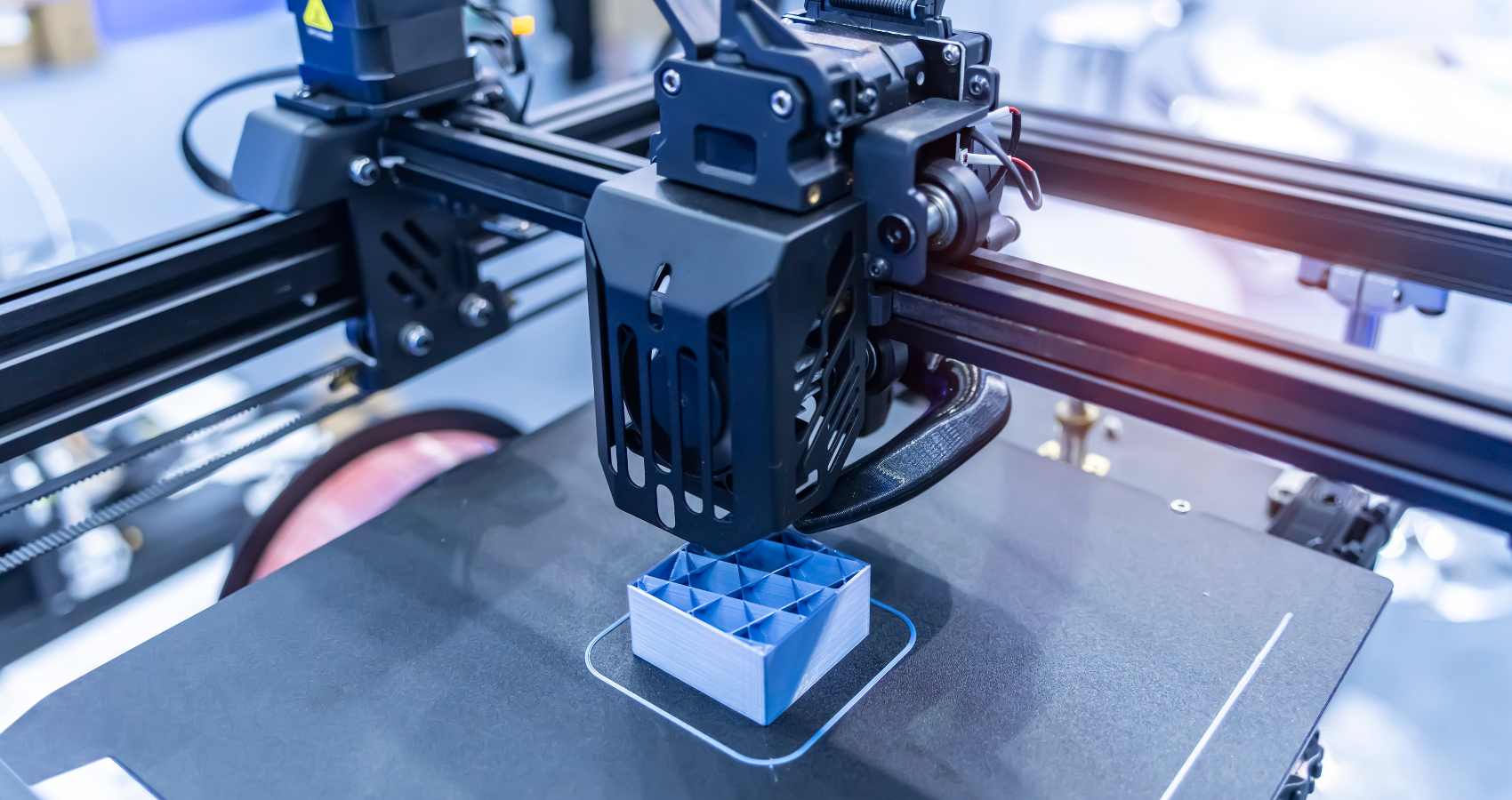
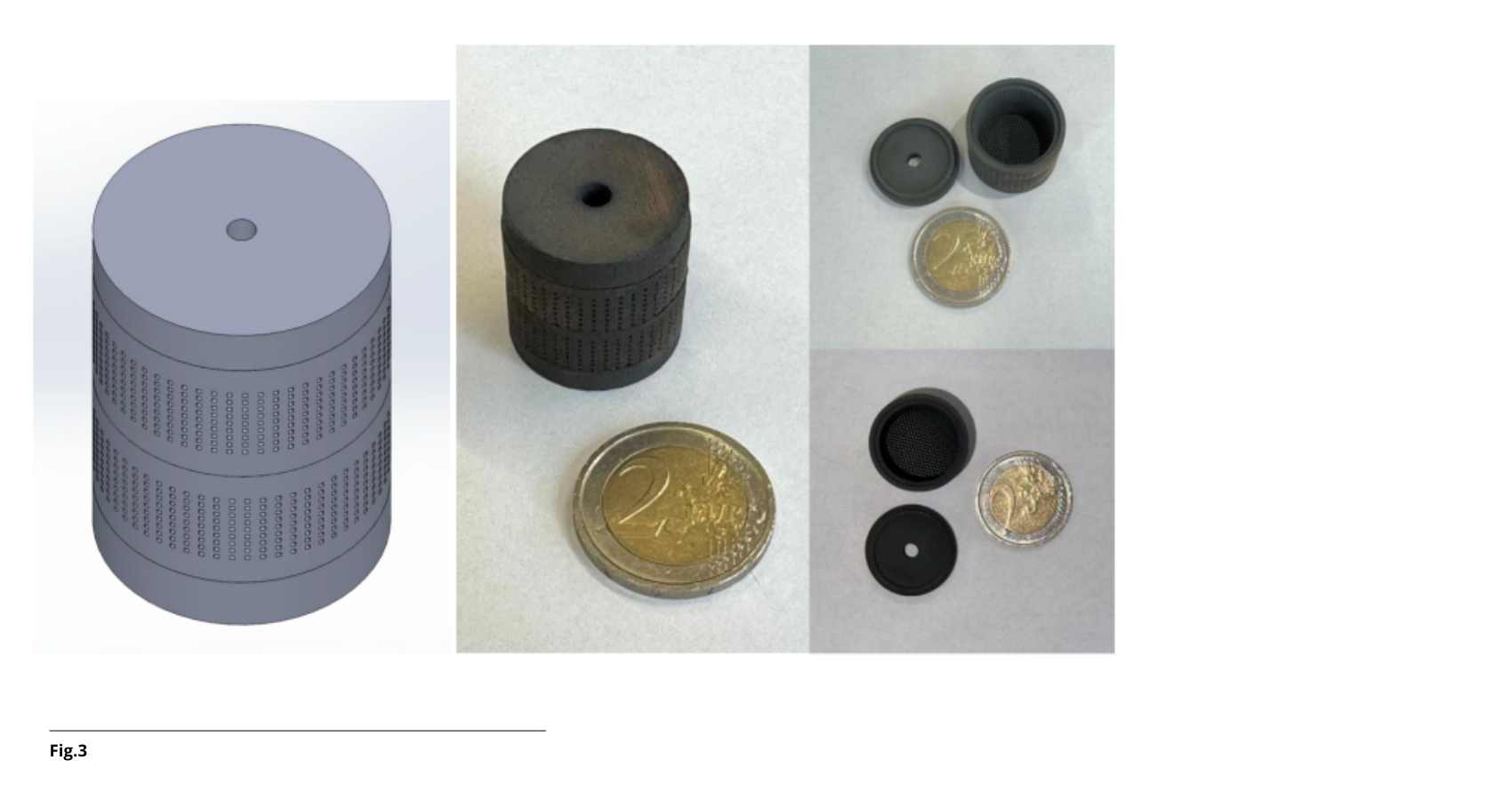
To build these new, complex-geometry anodes, researchers will use Binder Jetting (BJ) (Fig. 3), a 3D printing technique that:
- Is more economical and faster than LPBF (Laser Powder Bed Fusion) technologies.
- Allows the use of mixed metallic, ceramic, or composite materials—specifically stainless steel 316L and red mud in this case.
- Enables the creation of lattice structures and complex internal channels, impossible to achieve with traditional methods, to optimize fuel flow.
Project objectives and the role of UniTrento
The main objectives of the project are manifold: redesigning the anode to enable uninterrupted operation, using 3D printing to achieve precise and accurate geometries that meet functional requirements, exploring the valorization of red mud by transforming a hazardous waste into an energy ally, and increasing the overall efficiency of fuel cells.
The project is carried out in collaboration with Politecnico di Milano. The University of Trento is primarily involved in the crucial phase of anode redesign. The challenges are numerous, including ensuring uniform density of the printed part, controlling anisotropic shrinkage during production, and guaranteeing the removal of residual powder from very small cavities (smaller than 0.5 mm).