Information magazine of the Department of Industrial Engineering
Università di Trento
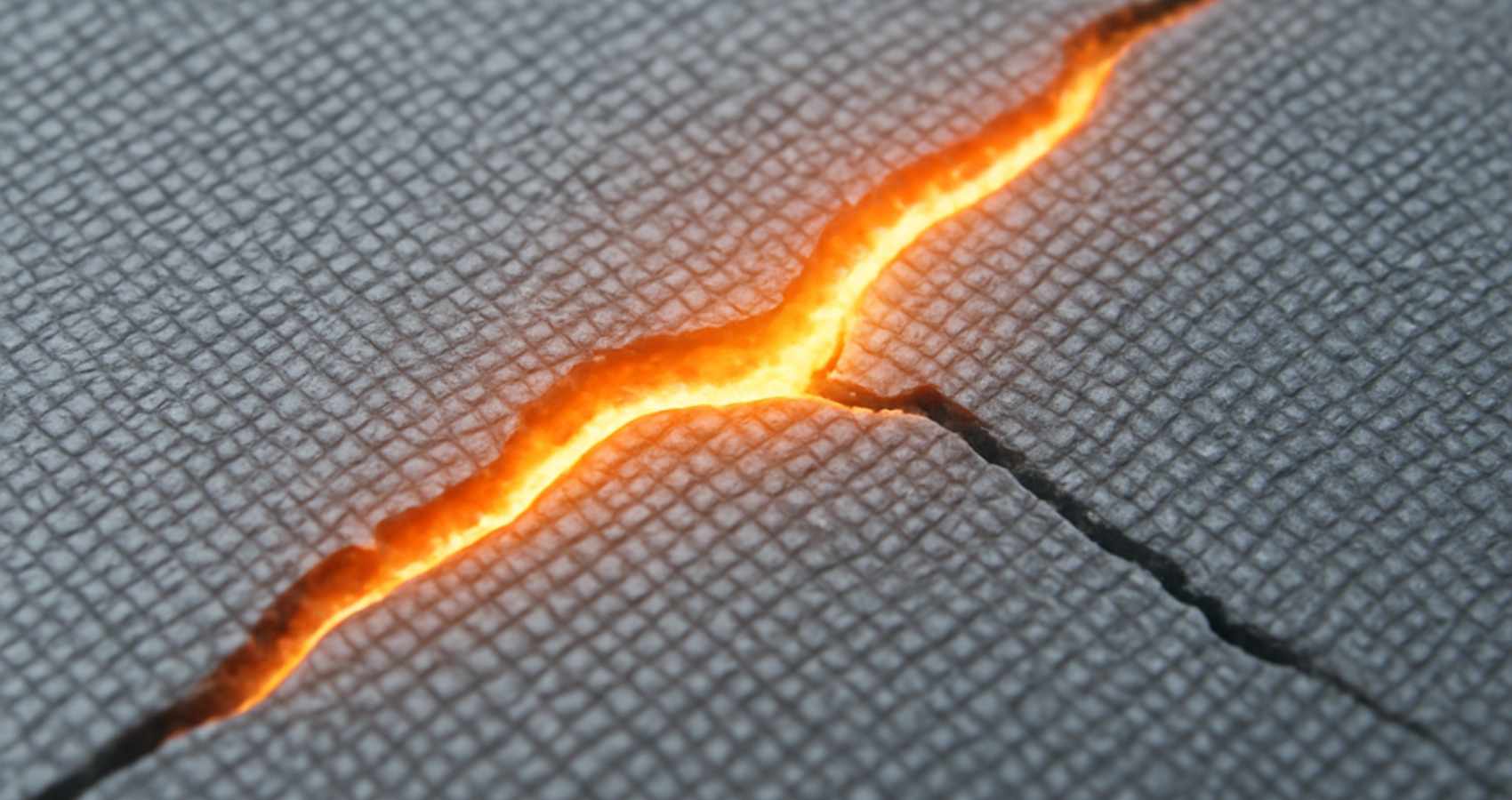
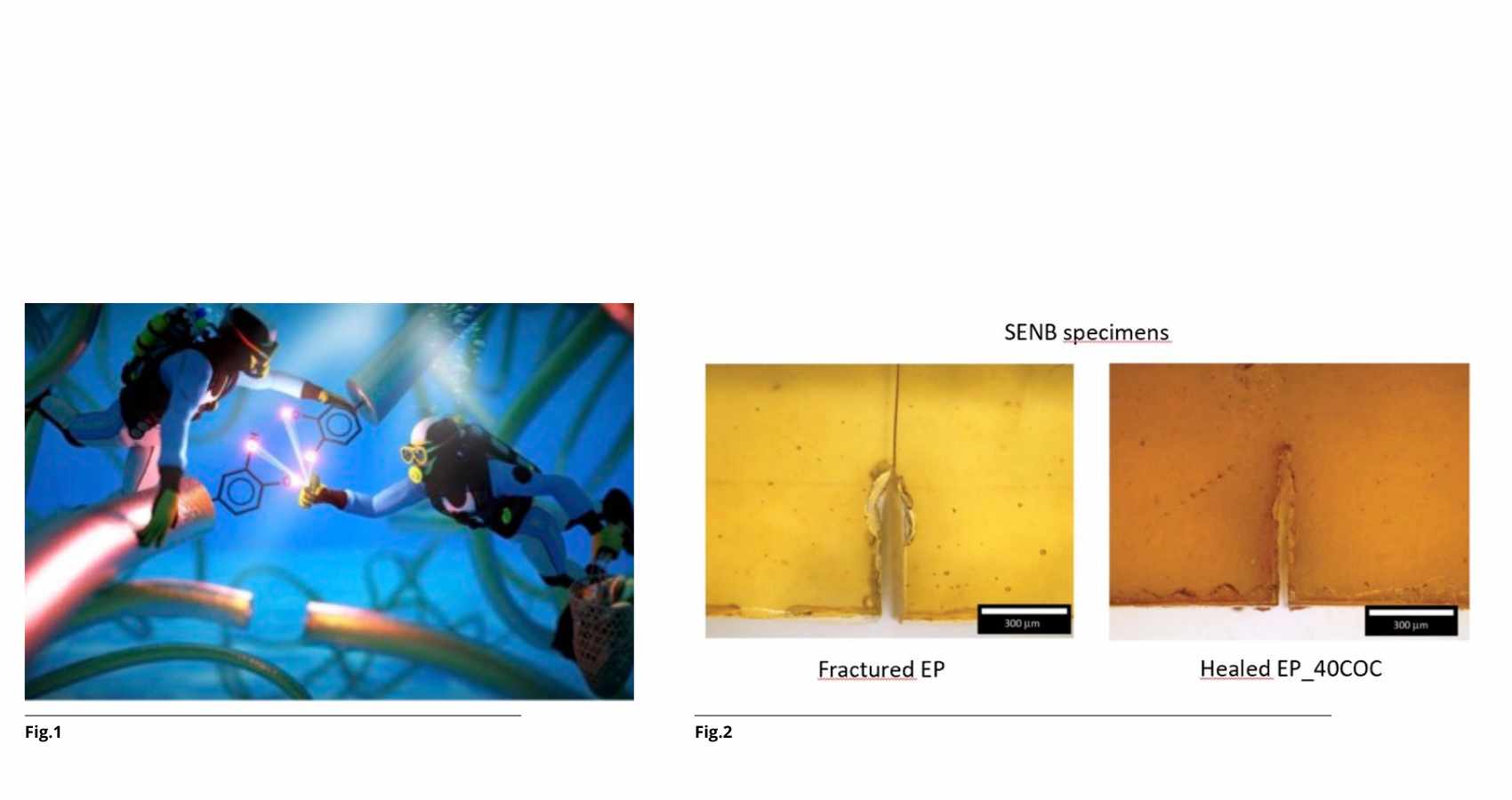
Nature offers extraordinary examples of self-repair: a wound that heals, a branch that regrows, bark that closes up again. These processes inspire a question that in recent years has guided much research in engineering: can we design materials capable of repairing themselves?
My PhD work, carried out at the Department of Industrial Engineering of the University of Trento under the supervision of Prof. Alessandro Pegoretti and Prof. Andrea Dorigato, in collaboration with the Universities of Pisa and Naples, focused on this very challenge. The goal was ambitious: to develop self-healing composite materials capable of recovering part of their mechanical properties after damage, thereby extending their service life and reducing costs and environmental impact.
The work focused on thermoplastic composites, chosen for their lightness, recyclability, and design flexibility. Polyamide 6 (PA6) was modified with agents capable of activating in the presence of damage and heat.
The experimental phase was not without obstacles: many initial formulations showed poor compatibility or insufficient recovery of mechanical properties. Fracture analysis using electron microscopy proved essential for understanding the failure mechanisms and guiding optimizations.
By the end of the project, it was possible to obtain a polymer matrix capable of recovering up to 82% of its mechanical properties. This result confirms that self-healing in polymers is no longer just an idea, but a concrete possibility.
For advanced applications, the polymer matrix alone is not enough: fibrous reinforcements are required.
The research therefore explored carbon-fibre-based composites in two configurations:
Part of the work also concerned thermosetting composites, which are traditionally difficult to self-repair. By inserting thin polymer layers produced via additive manufacturing, it was possible to obtain laminates that were more resistant to fracture propagation and capable of recovering properties even after multiple damage–healing cycles.
The outcome of this project is the result of solid collaboration with laboratories in Pisa, Naples, and Palermo, which made it possible to integrate expertise in synthesis, characterization, and advanced material processing. It was a journey marked by trials, failures, and sudden successes. A path that teaches how patience and the sharing of skills are essential elements in research on new materials. The project also paved the way for my experience as a Laboratory Engineer at Röchling Automotive, where I worked in quality control, microscopy analysis, and advanced testing for the automotive sector. This was a crucial step in connecting the academic world with industrial applications.
Today, my path continues in the field of composite materials for aerospace, one of the most promising and fascinating areas of the sector. Joining AVIO as a materials specialist represents an opportunity to contribute to the development of lighter, stronger, and smarter components for launch systems.
Self-healing materials no longer belong to science fiction: they are an emerging technology that could profoundly transform the way we design and use materials. From cars to aircraft to everyday products, self-repair opens the door to more durable, safer, and more sustainable systems. My PhD was a small step in this direction: an attempt to translate nature’s ingenuity into innovative engineering solutions for industry and society.