Sustainable logistics: designing, digitalizing, and optimizing with people in mind

How can engineering help build more efficient, digitalized logistics systems that also prioritize human well-being? This is the central question of a PhD project from the Department of Industrial Engineering, which explored logistics in complex real-world settings with a clear objective: to combine operational efficiency with social sustainability.
More sustainable tires: a European Project led by DII
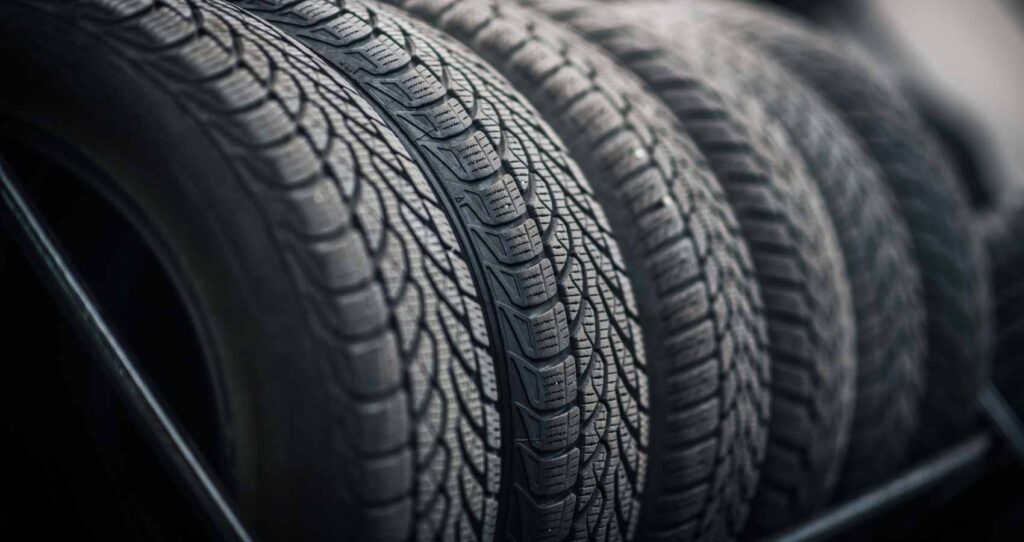
Today, Europe is entirely dependent on the import of natural rubber – a raw material classified as ‘critical’ by the EU; only 1.5% of end-of-life tire rubber is actually reused to produce new ones. These challenges are being addressed by NORUBTREET_4_LIFE, a European project funded under the Life Horizon Europe programme.
AI in Space: opportunities and challenges ahead

Bringing artificial intelligence into space is far from straightforward. First and foremost, the extraterrestrial environment is extremely hostile. Without the protective shield of Earth’s atmosphere and magnetic field, both electronics (and, of course, humans) are exposed to vast amounts of radiation (specifically, cosmic rays). To put it in perspective: a round-trip to Mars would damage or destroy nearly half of the cells in the human body due to radiation exposure. Unfortunately, electronic components are even more fragile than biological tissue, and cosmic rays can cause computational errors.
The challenge of lattice structures: balancing lightness and strength
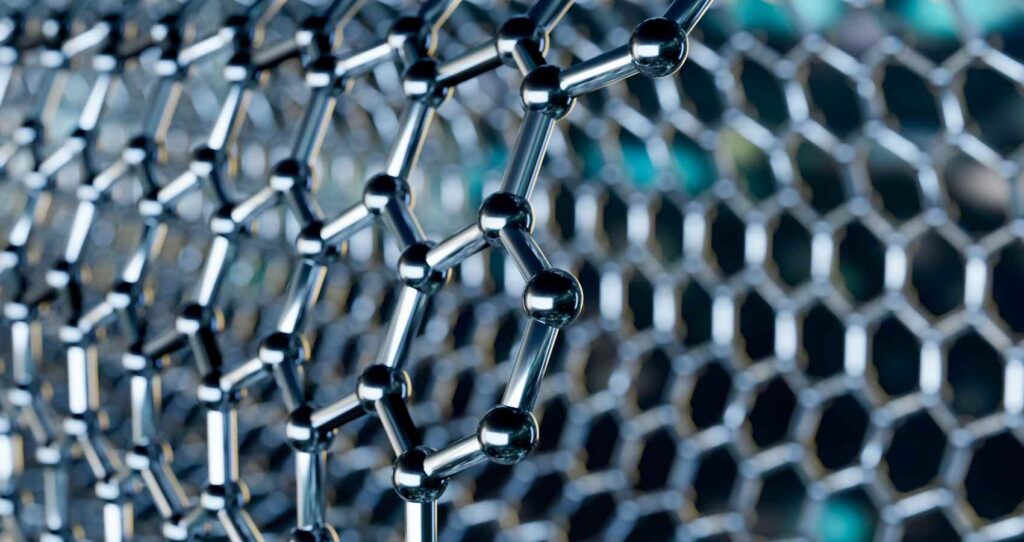
In recent years, engineering has undergone a radical transformation thanks to lattice structures: lightweight yet strong three-dimensional grids inspired by nature. From bone sponges to sea urchin shells, these innovative geometries are revolutionizing the design of materials and mechanical components.
New frontiers of Augmented Reality: a shared experience between patient and therapist

Augmented reality in rehabilitation enables shared experiences between patient and therapist. Personalized, gamified digital content boosts motivation, tracking precision, and engagement. A project with NAIST highlights the power of this innovative approach.
MAKO: The Future of Aeronautical Aluminum Is Inspired by Sharks
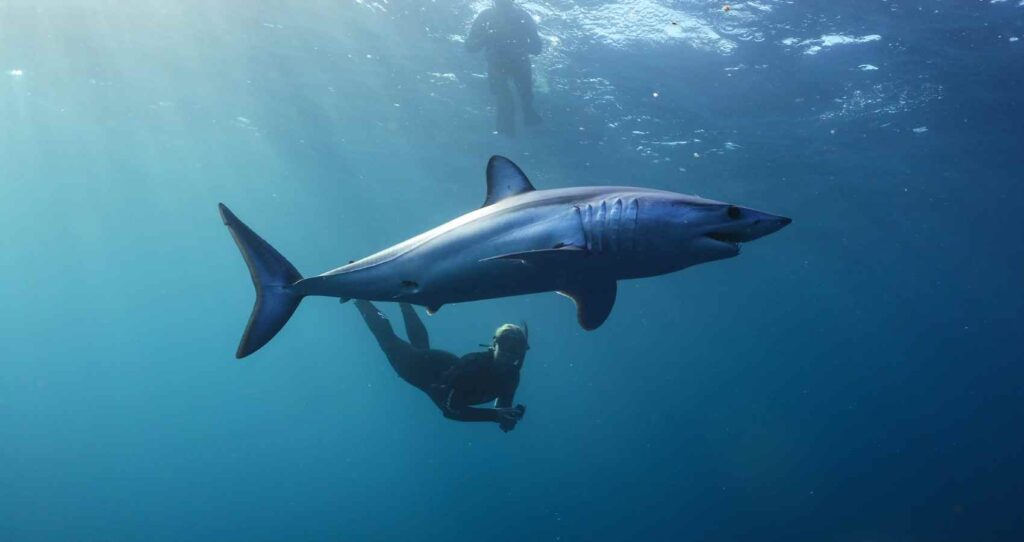
MAKO is an Italian research project that combines biomimicry and nanotechnology to develop high-performance aluminum surfaces for aerospace use. Inspired by the mako shark’s skin, known for its aerodynamic microstructures called riblets, the project aims to reduce drag and improve aircraft efficiency.
Collective creativity and job insecurity: what the case study reveals

A recent study investigates how job insecurity affects collective creativity in research settings. Interviews in a major Italian institute reveal how contracts, workloads, and leadership changes influence innovation and team dynamics.
Defects in materials and structural fatigue: the new challenges of engineering
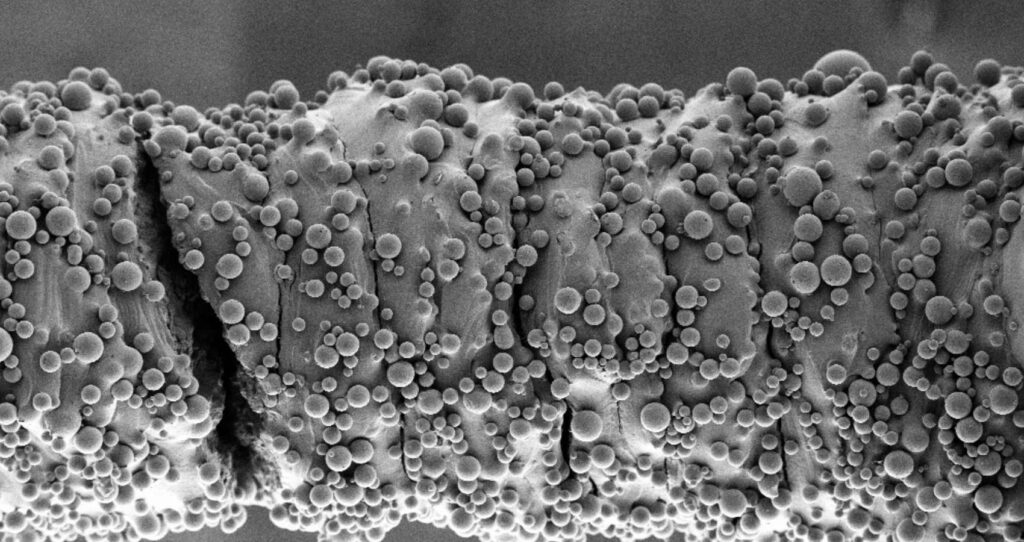
Over the past decades, research on material defects has become increasingly central to the study of structural reliability and material fatigue. The growing complexity of engineering applications—from infrastructure to aerospace and biomedical sectors—demands a deeper understanding of microstructural imperfections and their effects on mechanical performance.
Artificial Drivers: the new frontier of autonomous driving on road and track
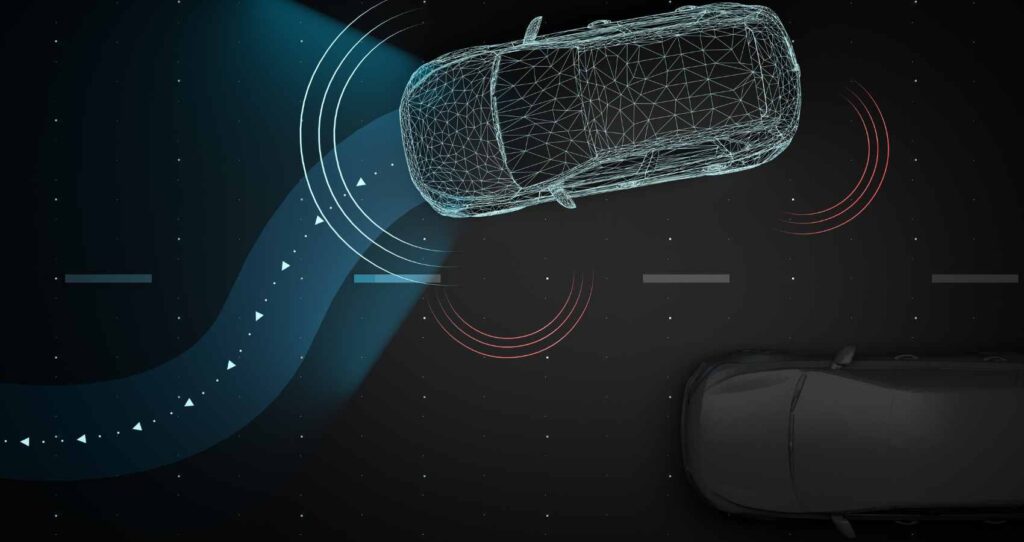
Over the past five years, autonomous vehicle competitions have become real experimental labs for smart mobility. Prestigious events such as the Abu Dhabi Autonomous Racing League and Formula Student Driverless have brought Formula 1-style cars to race without a human driver, pushing real-time planning, control, and perception capabilities to the limit. However, these challenges have also highlighted unresolved obstacles that arise when a vehicle must operate at high speeds and handle near-limit driving conditions.
Building Energy Efficiency: Cold Sintering for Ceramic-Polymer Materials
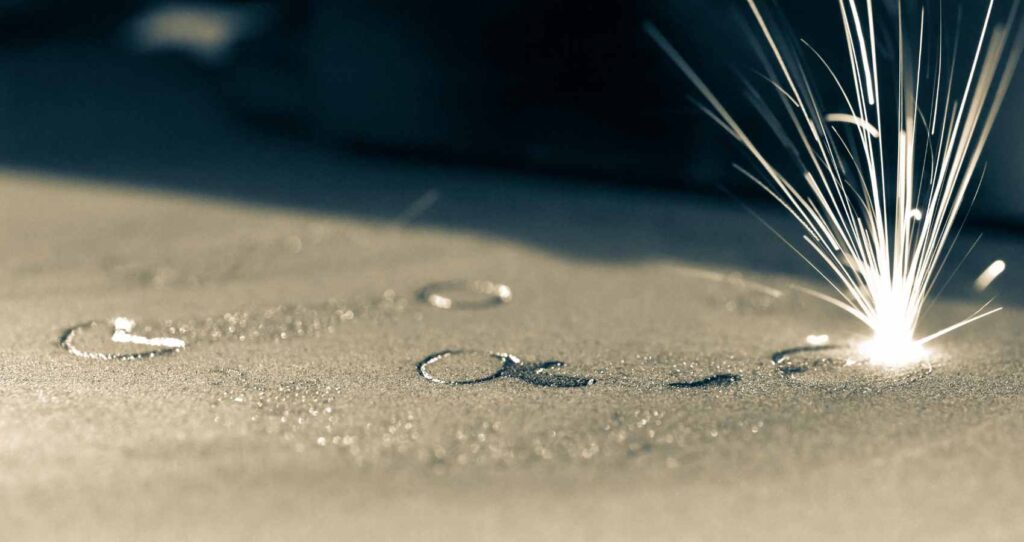
Traditionally, ceramic materials are produced at extremely high temperatures, requiring significant energy consumption. Cold sintering completely changes the process, allowing materials to be processed at temperatures below 250°C. This means lower energy consumption (up to 80% less) and the ability to integrate thermally sensitive fillers, which would otherwise not withstand the high temperatures of traditional production.