Controlling autonomy: the mathematics behind the robots of the future
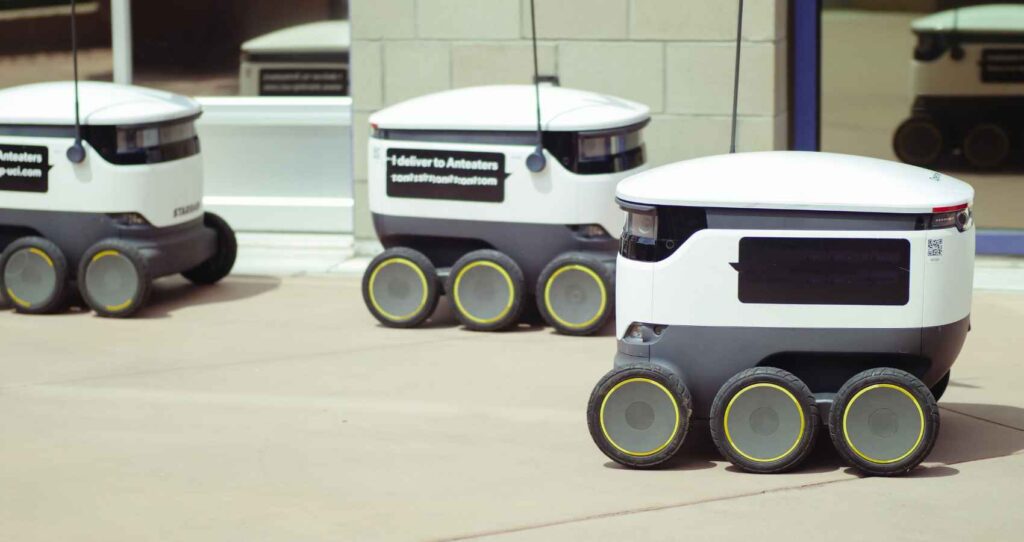
The project develops control algorithms for autonomous robots capable of navigating without GPS, avoiding obstacles, and preventing dangerous operating configurations. Using hybrid dynamical systems and relative measurements, the research provides mathematically rigorous, computationally efficient solutions applicable to ground, marine, and aerial autonomous robots.
Optimal Control and Numerical Analysis: How Mathematics Guides Engineering Decisions

Optimal control defines time-dependent decision strategies for dynamic systems subject to objectives and physical constraints. Since analytical solutions are rarely available, numerical analysis provides reliable computational solutions through simulations and algorithms, supporting applications ranging from vehicles and chemical processes to robotics and energy systems.
Bio-composite Materials for Sustainable Agriculture and Reforestation
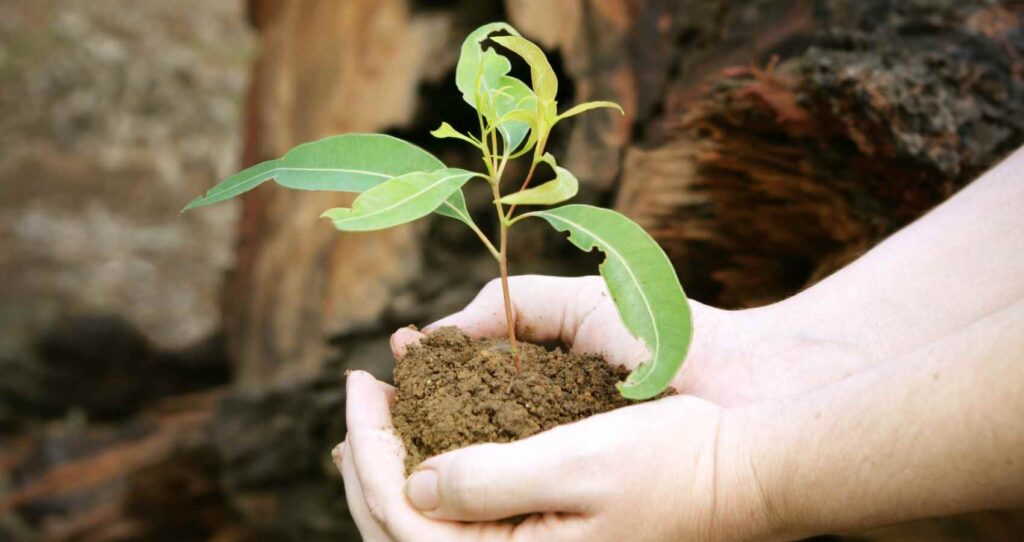
Research within the European H2020 ONEforest project developed xanthan gum and wood fiber bio-composites for biodegradable mulching films and soil amendments. These materials enhance water retention, reduce irrigation needs, and support plant growth, providing a sustainable alternative to conventional plastics for agriculture and reforestation.
Ozone: an ally for fruit preservation

Ozone is a promising postharvest technology for fruit preservation. Through its oxidative properties, it can delay ripening, maintain quality, and enhance antioxidant compounds. This research aims to clarify the mechanisms underlying ozone action and support the technology’s implementation on an industrial scale.
Decision Analysis and Additive Manufacturing
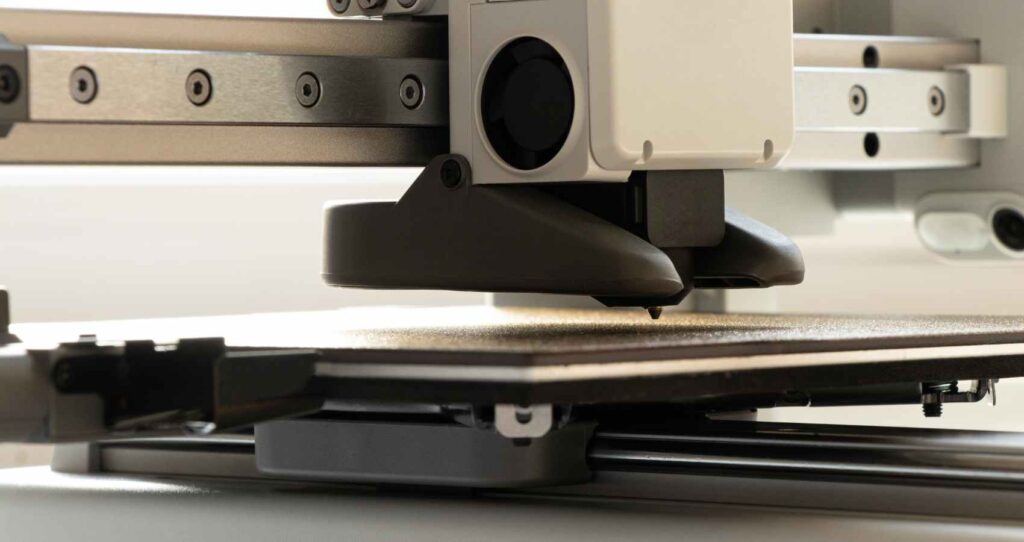
Additive manufacturing is not only a technological challenge but also a decision-making one. The article explores how multi-criteria and multi-objective decision analysis tools help companies manage complexity, uncertainty, and trade-offs in selecting and using 3D printing technologies.
Quadruped robots for forest conservation and animal behavior research
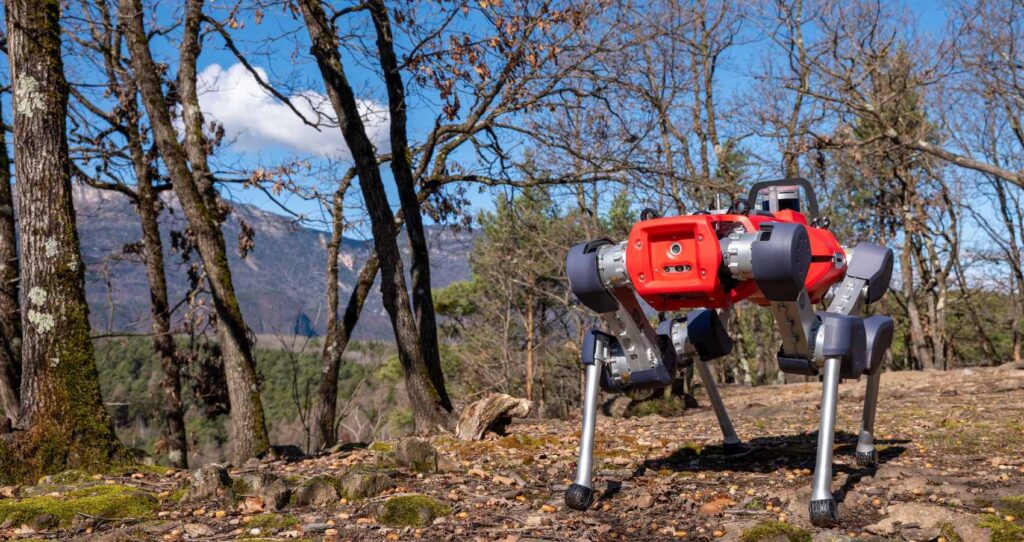
The Department in collaboration with the Free University of Bozen-Bolzano is developing quadruped robots and drones for automated alpine forest mapping using SLAM algorithms and AI. The Digiforest and FORMA projects integrate advanced sensors to monitor forest health and biodiversity, while new research applies robotics to the study of animal behavior.
From Discovery to Advanced Design: PDC Technology in the Glass and Ceramics Laboratory of the DII

Let’s trace the evolution of polymer-derived ceramics (PDCs), from Yajima’s breakthrough to advanced applications developed at DII. By controlling precursor chemistry, researchers obtain innovative materials such as transparent silicon oxycarbides, ultralight aerogels, and high-performance composites, opening new frontiers in materials design.
TinyML: machine learning for low-power applications.
TinyML enables machine learning on resource-constrained devices typical of IoT. It offers benefits such as local processing, low latency, improved privacy, and reduced energy consumption, while posing challenges in model optimization, compression, and computational capacity.
From fundamental chemistry to industrial sustainability
This work introduces an innovative approach to olefin oxidative cleavage based on the in situ generation of nitrate radicals via TiO₂ photocatalysis. The method enables the production of carbonyl compounds under mild conditions while reducing hazardous oxidants. Electro-assisted systems further enhance efficiency and sustainability for scalable applications.
When Artificial Intelligence learns from physics

A physics-guided AI approach uses structured neural networks to model brake wear emissions, combining engineering knowledge and data to achieve more interpretable, efficient, and robust predictive models.