Information magazine of the Department of Industrial Engineering
Università di Trento
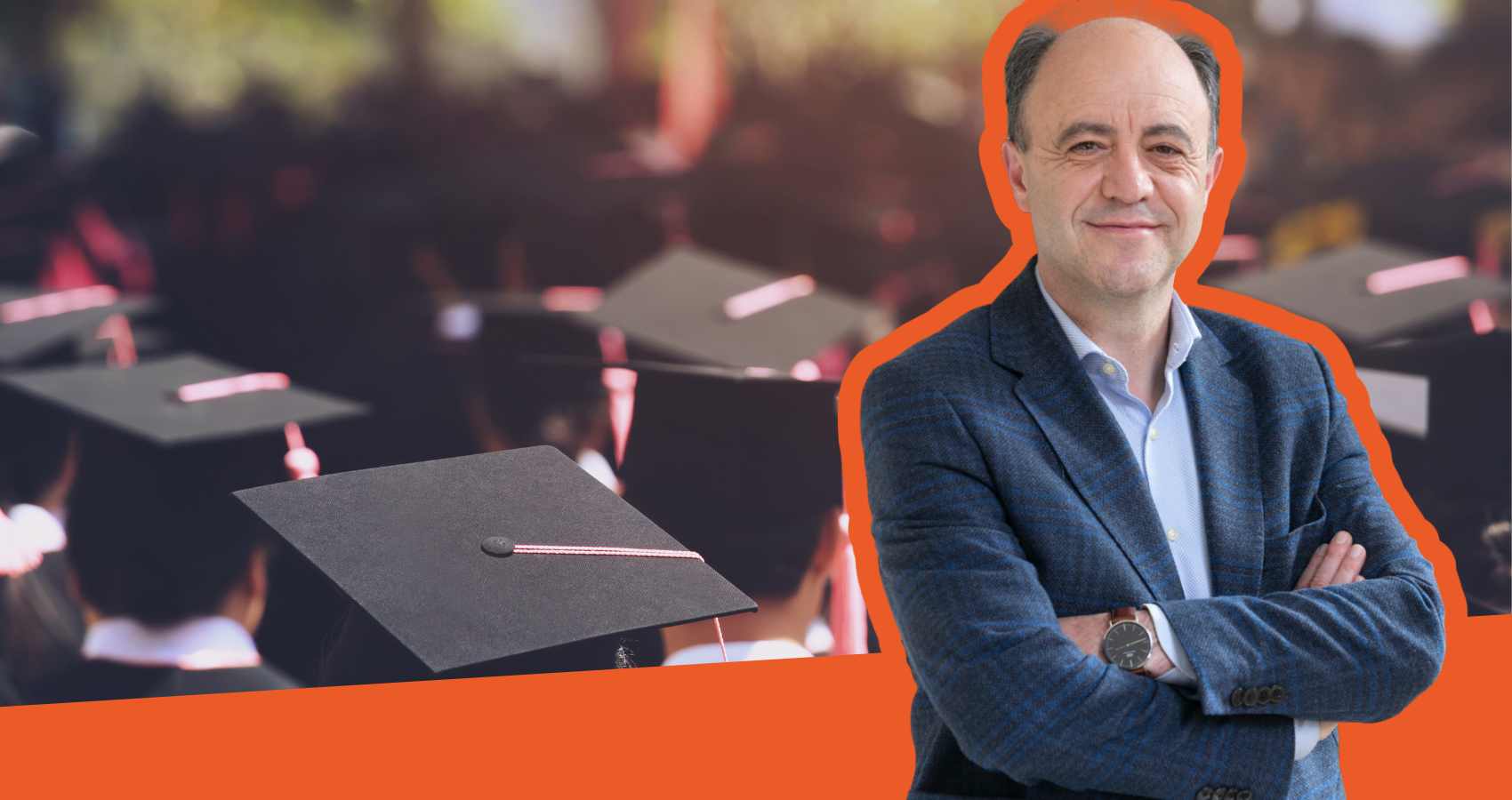
It’s not every day that you get to interview both a colleague and a friend. Flavio Deflorian, who graduated in Materials Engineering at the University of Trento and is now its Rector, is a clear example of how passion, curiosity, and dedication can take you far. We talked with him about his journey from materials research to leading the university, the role of the DII, and the challenges ahead, a conversation blending memory, vision, and a few shared recollections.
Flavio, let’s start from the beginning: when you were a student at DII, did you ever imagine you’d one day become Rector?
That’s an easy one: no. I never expected it, nor was it in my plans. As a student, I imagined myself working in industry as a process engineer. You and I studied together, shared many memories, and often discussed our future in industrial production. Choosing to stay in academia and do research was already a major change in direction. But I certainly didn’t expect to have such a significant managerial role as leading a large and diverse community like the University of Trento.
Looking back on your academic and professional path, was there a moment when you thought, “yes, this is the right direction”?
In life, everyone follows different paths, and it’s hard to know whether another route would have been better or worse. After graduation, I pursued a research career (starting with a PhD and then research positions) and I’ve never regretted it. It’s an engaging job that connects you with students and companies (my research has always been close to the industrial world) and constantly feeds your curiosity. You never get bored, and that’s already a huge advantage. Plus, you live in an international community, travel, and exchange ideas with colleagues worldwide. I still consider myself lucky.
You’ve always been linked to materials and industrial innovation. How much did DII help you grow in this field?
I grew up in this department, even if it’s changed name and structure over time, and what I know and who I am professionally, I owe first and foremost to it, meaning to the people who worked and still work here. I’ve learned a lot from some of them and continue to do so (being a university professor is, above all, about continuing to learn). That’s why I feel deep gratitude for the professional growth I’ve experienced here.
Universities and companies must collaborate more and more today. From your privileged perspective, where could our Department still improve?
This department, like others at our university, already does a lot in terms of collaboration with companies, often more than is visible from the outside. Such collaboration benefits both sides by fostering a shared culture of innovation. There’s always room to do more and better. I believe the next step is to create a more structured joint design of innovation, less based on isolated projects and more on long-term strategies.
Let’s talk about the future: what are the most exciting challenges today for those studying or working in materials engineering?
When we started studying materials engineering, it felt like a frontier field in science and technology. Since then, other fields, from computer science to AI, have gained the spotlight. But we live in a material world, and many technologies are limited by the materials that support them. So materials science and technology are more relevant than ever, from nanotechnologies to other emerging areas. There’s a lot of room for those who want to dive into these fields.
As Rector, you need to look far ahead. Thinking about the University of Trento in 2030, what role do you see for DII and our students?
When you’re responsible for a major institution like the University of Trento, you have a duty to look forward. The world is changing rapidly and unpredictably, so forecasting the future is difficult. But I believe the industrial and manufacturing world will remain central to our society and economy. That’s why DII, its research and its students, will continue to play a key role locally, nationally, and internationally. We must stay adaptable to change while remaining true to our identity as industrial engineers.
Finally, a personal note: what still motivates you today, after so many years of research, teaching, and now university leadership?
Our work is varied and stimulating, research, teaching, and in my case, management responsibilities too. It’s a great privilege to represent and help govern the University of Trento. I find many sources of motivation, but my main one always comes from our students, the new generations. We carry the great responsibility of helping to shape not only their professional skills but also their cultural and human development. I don’t think there could be a stronger motivation than that.