Information magazine of the Department of Industrial Engineering
Università di Trento

Natural metabolic processes associated with fruit ripening, such as respiration, transpiration, and ethylene production, can significantly affect fruit quality both during storage and in the final product. It is well known that ripening involves a series of physicochemical changes reflected in the texture, aroma, and flavor that characterize the fruit.
Low temperatures, either alone or combined with modified atmospheres (by altering gas composition) or controlled atmospheres (by monitoring and regulating gas composition), are common postharvest strategies that affect fruit metabolism. Although highly effective in extending storability and shelf life, these methods may be excessive for certain fruits, subsequently hindering the progression of physiological changes associated with ripening and limiting the achievement of high quality standards.
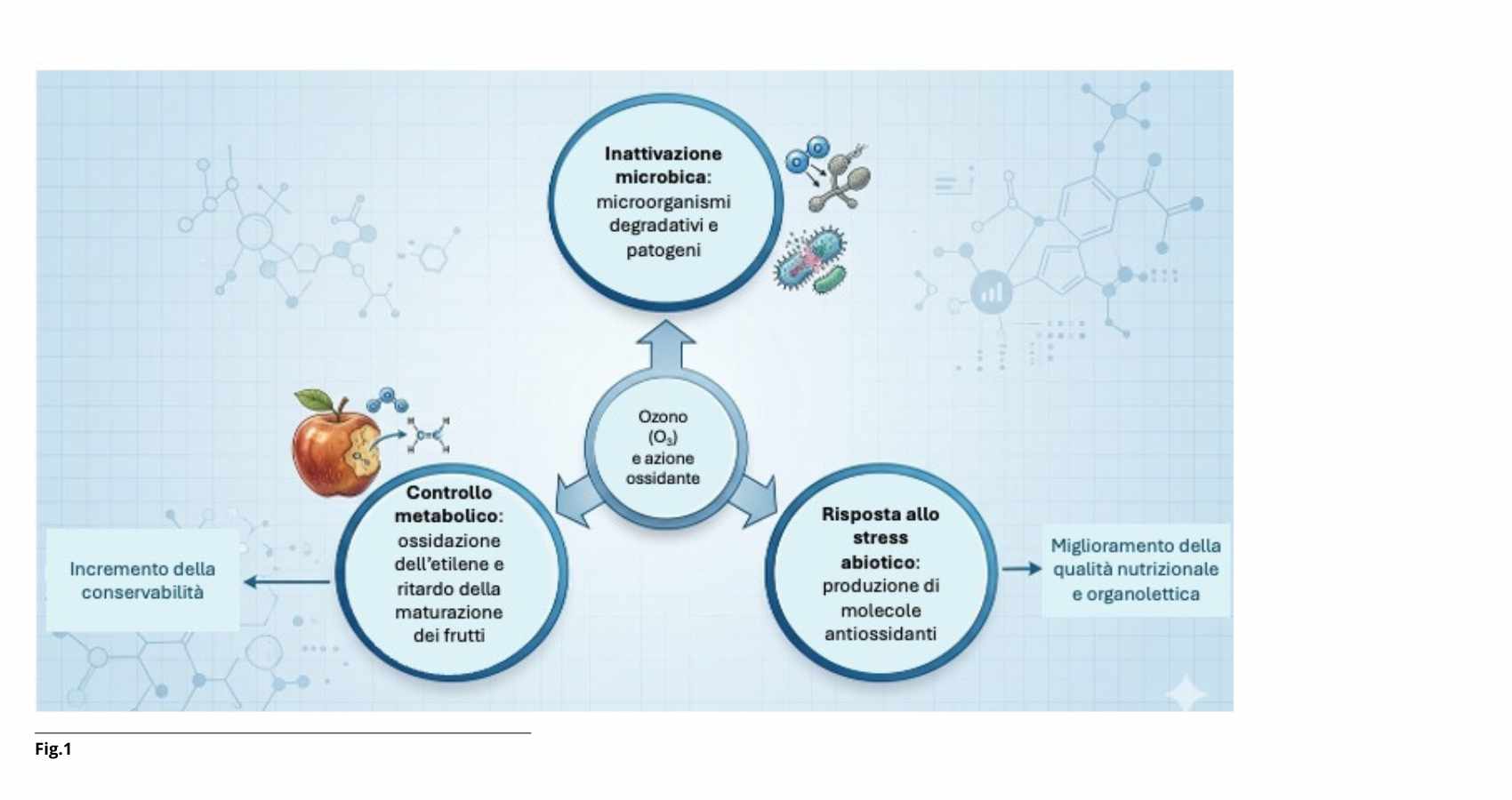
Ozone is a highly unstable triatomic oxygen molecule (O3) capable of directly or indirectly oxidizing numerous organic and inorganic compounds. Produced through the ionization of oxygen or air in dielectric barrier discharge (DBD) systems, ozone is mainly studied in the food industry as an agent for microbial inactivation and for the removal of toxic substances such as mycotoxins and pesticide residues.
Interactions with fruits and vegetables have also been shown to trigger and regulate oxidative processes that delay softening. This control may occur through the inhibition of cell wall hydrolases (enzymes) or the suppression of genes involved in the biosynthesis of proteins or ethylene, which in turn stimulate genes associated with cell wall degradation.
The oxidative capacity of ozone may also play a positive role in delaying color changes in fruit and enhancing the content of secondary metabolites and antioxidant activity.
Increased mitochondrial activity appears to promote the accumulation of reactive oxygen species (ROS), including O2·−, ·OH, H2O2, and 1O2. Such accumulation may be associated with reduced respiration rates and increased production of polyphenols and ascorbic acid.
The oxidative reactions induced by ozone are complex and depend on numerous variables related both to operational parameters, such as gas concentration and treatment duration, and to the physicochemical and microbiological characteristics of the product. A thorough understanding of the mechanisms governing these interactions is essential for establishing operational guidelines aimed at preventing losses while preserving the nutritional and sensory quality of fruit and vegetable products.
Currently available data on ozone-induced modifications in fruit are limited and fragmented, and knowledge regarding optimal gas concentrations and treatment times according to fruit characteristics remains scarce. It is known that, if improperly applied, ozone may negatively affect fruit quality.
The three-year research project, carried out in collaboration with the Laimburg Research Centre, aims to provide a significant contribution to the industrial implementation of ozone technology by clarifying the following key aspects:
The main outcomes of the project will help clarify: