Information magazine of the Department of Industrial Engineering
Università di Trento
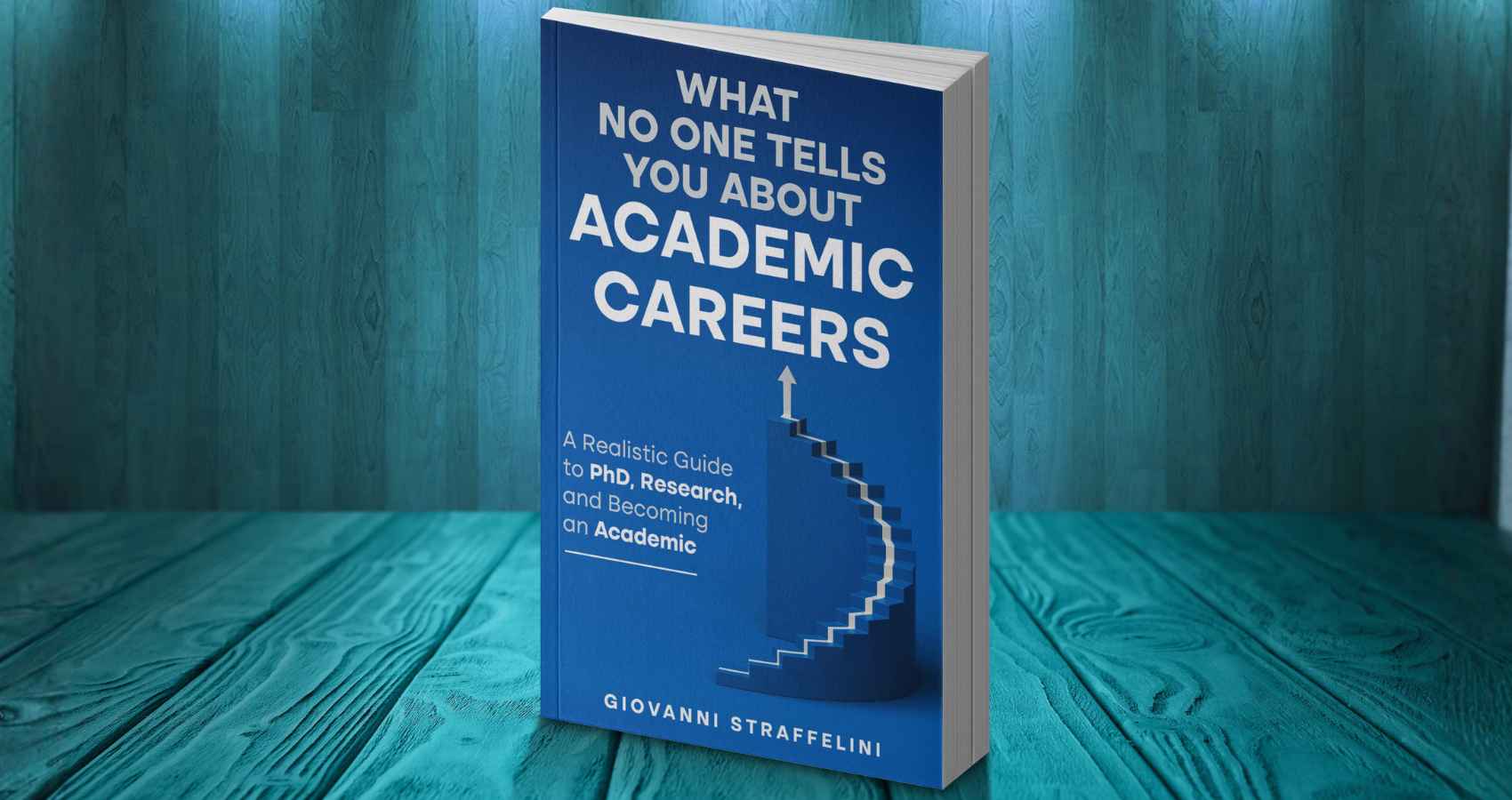
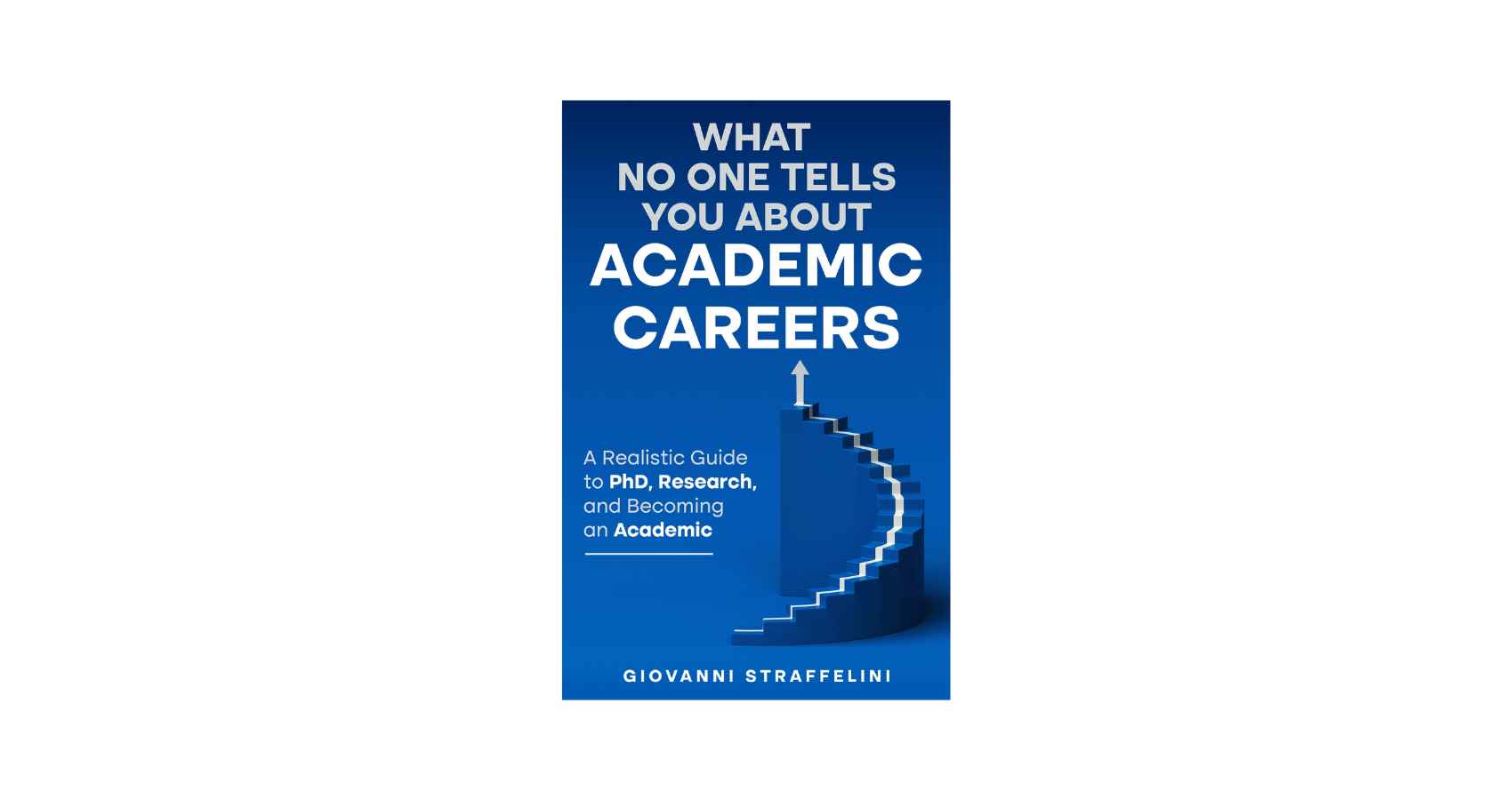
Interview with Professor Giovanni Straffelini on the occasion of the publication of the book What No One Tells You About Academic Careers (published on Amazon).
It originated from a question I have been asked many times over the past few years, especially by master’s students, PhD candidates, and early-career researchers: How does an academic career actually work? While the formal rules are easy to find, many important aspects can only be learned through experience: how to choose a supervisor, how to build a network of collaborations, how important international mobility is, and how to navigate publications, research projects, and academic recruitment. My experience as Coordinator of the Doctoral School in Materials, Mechatronics and Systems Engineering at the Department of Industrial Engineering also led me to reflect frequently on these issues and on the questions young researchers face. I felt it was worthwhile to bring these experiences together in a single volume.
First and foremost, it is aimed at those considering an academic career, with particular attention to PhD candidates and early-career researchers, who are at the most critical stage of the journey. However, the book is also intended for anyone who is simply curious about how academia works from the inside. The goal is not to provide a formula for success, but to offer the most realistic possible description of the academic path.
That an academic career is far more complex than it may appear from the outside. Scientific excellence remains essential, but it is not enough on its own. Equally important are the ability to work in teams, build collaborations, secure research funding, communicate one’s research effectively, and, increasingly, thrive in an international environment.
Because it has become increasingly common for researchers to complete different stages of their careers in different countries: a master’s degree in one country, a PhD in another, and postdoctoral research somewhere else. For this reason, I have described the main features of the world’s leading academic systems, drawing also on the valuable contributions of many international colleagues. The Italian academic system is only briefly discussed, as it will be the focus of a separate volume devoted entirely to the structure and functioning of academic careers in Italy, scheduled for publication in the autumn.
Above all, I hope it will be useful. If it helps even a few young researchers better understand the academic landscape, avoid some common mistakes, and make more informed decisions about their careers, then it will have achieved its purpose.
Introduction
Chapter 1 – Understanding the system
(before entering it)
What Does It Mean to Be a Professor?
Academic Roles and Career Paths
Chapter 2 – NOT ALL DEGREES ARE EQUAL
Chapter 3 – THE OFFICIAL PATH
Master’s Degree: The First Turning Point
The PhD: The First Real Barrier
Going Abroad: Necessary or Not?
The Precarious Years
Different Systems (A Short Guide)
Chapter 4 – THE PART NO ONE EXPLAINS
PROPERLY
Publishing (Without Getting Lost)
Academic Networking (The Word No One Likes)
The Unspoken Side of Departments
Working Abroad and Returning (or Not)
The Plan B
Chapter 5 – ENTERING THE SYSTEM
From Profile to a Tenure-Track Position
Senior Academic Positions
New Academic Landscapes
Chapter 6 – PRACTICAL ADVICE
The 20 Unwritten Rules of Academia
Practical Strategies
Is it Worth It?
A Final Reading