From Materials Engineering to International Markets: Matteo Boccato’s Journey Between Innovation, Chemistry and Global Relationships

Matteo Boccato, Sales Manager at ddchem srl, shares his journey from Materials Engineering to managing international markets in the chemical sector, exploring innovation, global relationships, sustainability and continuous professional growth.
What No One Tells You About Academic Careers
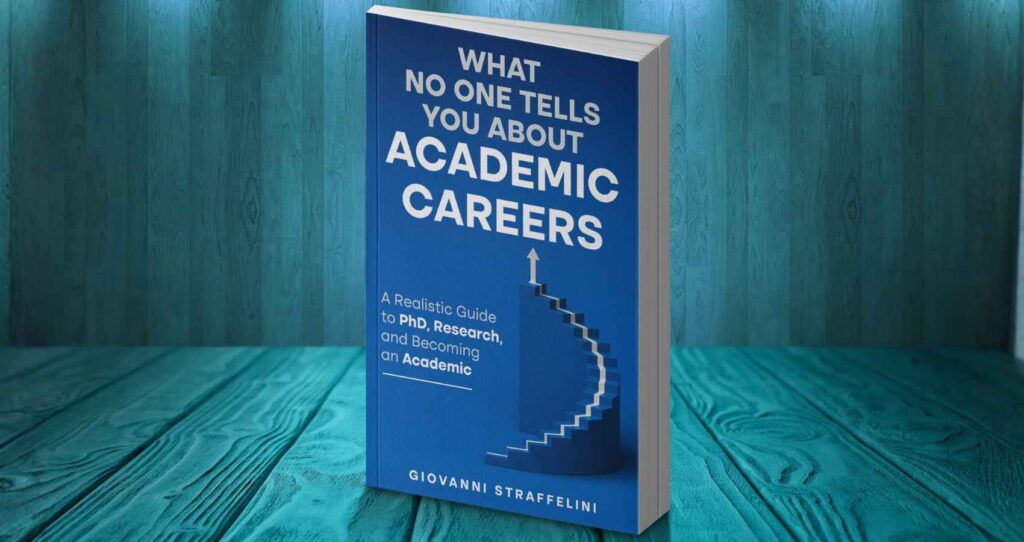
An interview with Professor Giovanni Straffelini about What No One Tells You About Academic Careers, a guide for PhD candidates and early-career researchers exploring the challenges, opportunities, and international nature of today’s academic career path.
Designing Hybrid Interfaces to Enhance Heat Transport in Nanocomposites

Discover how LPSQ-based polymer nanocomposites containing functionalized alumina nanoparticles enhance heat transport in thermal interface materials (TIMs). The study highlights the role of interfacial interactions in designing flexible, highly thermally conductive materials for advanced thermal management of high-performance electronic devices.
Empowering Future Particle Physics Experiments and Far Beyond with Advanced 3D Silicon Sensors
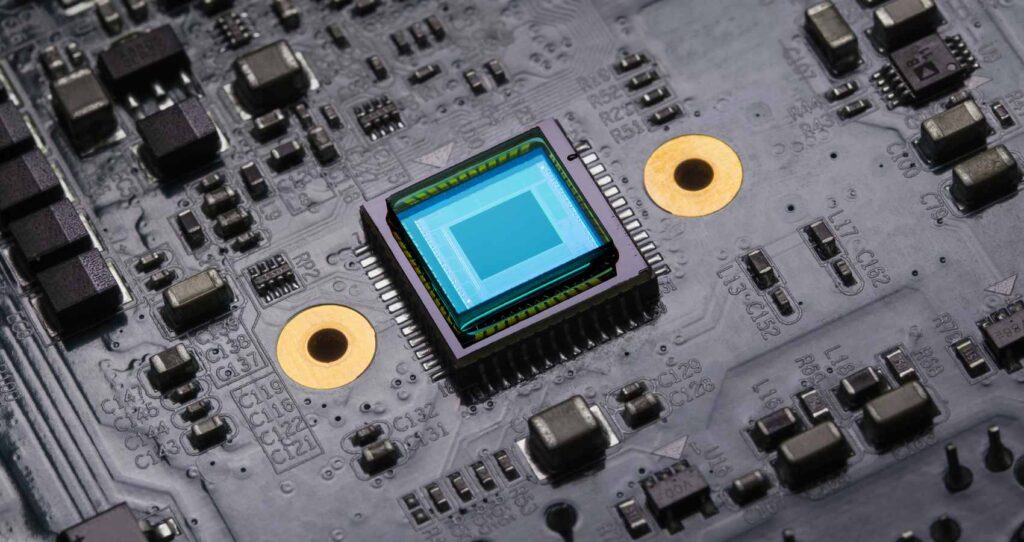
The research group led by Ye Jixing, Gian-Franco Dalla Betta, and Lucio Pancheri develops advanced 3D silicon sensors with exceptional radiation hardness for particle physics experiments. From the LHC to the future FCC, these technologies aim to enhance detector precision, timing performance, and reliability under extreme radiation conditions.
Controlling autonomy: the mathematics behind the robots of the future
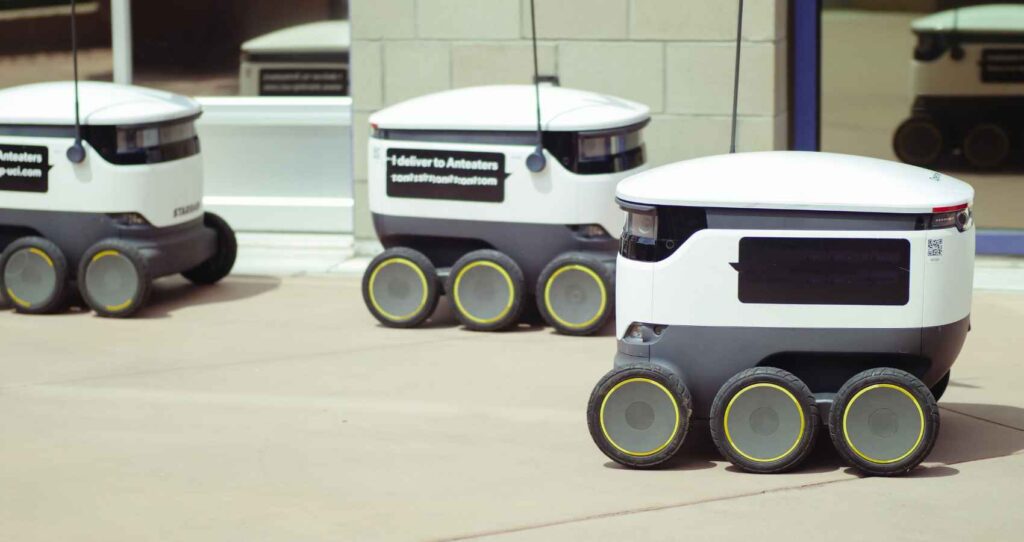
The project develops control algorithms for autonomous robots capable of navigating without GPS, avoiding obstacles, and preventing dangerous operating configurations. Using hybrid dynamical systems and relative measurements, the research provides mathematically rigorous, computationally efficient solutions applicable to ground, marine, and aerial autonomous robots.
Optimal Control and Numerical Analysis: How Mathematics Guides Engineering Decisions

Optimal control defines time-dependent decision strategies for dynamic systems subject to objectives and physical constraints. Since analytical solutions are rarely available, numerical analysis provides reliable computational solutions through simulations and algorithms, supporting applications ranging from vehicles and chemical processes to robotics and energy systems.
From the University of Trento to CERN: Robotics Serving the Accelerators of the Future
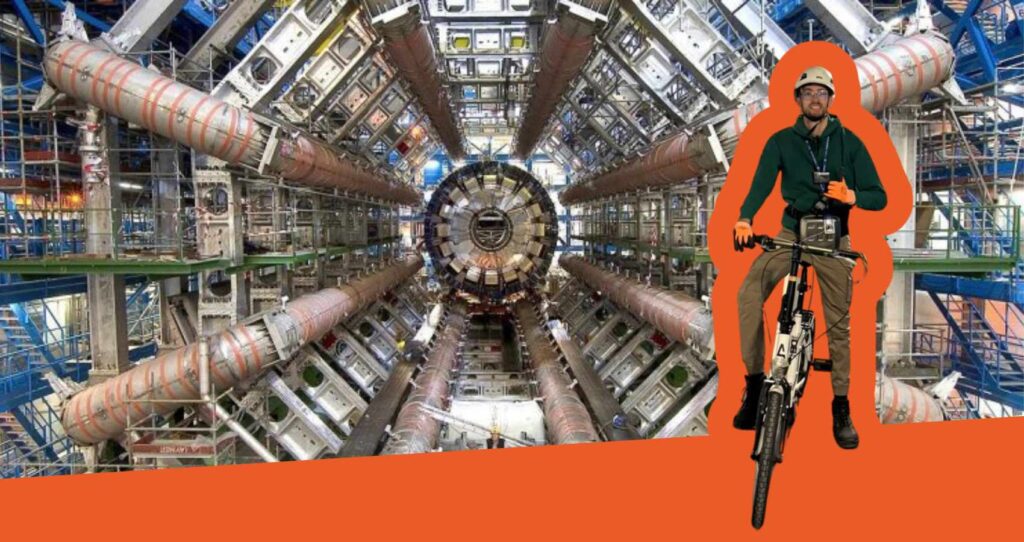
Francesco Baroni, a student at the University of Trento, turned his thesis experience at CERN into a career in robotics for particle accelerators. After contributing to several innovative projects, he is now pursuing a PhD focused on the Future Circular Collider, helping develop the largest robotic system ever built at CERN.
Industrial Research: Value, Ethics, Society. DII Reflects on the Future
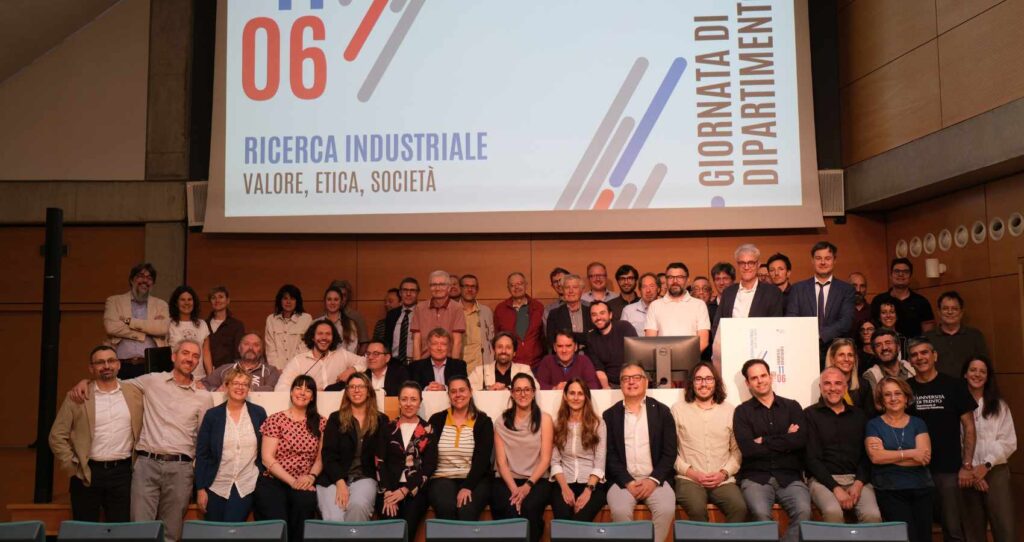
During the 2026 Research Day, the University of Trento’s Department of Industrial Engineering presented its achievements, funding results, and future perspectives, reflecting on the value of research, collaboration with industry, and the ethical and social responsibilities of innovation. A multidisciplinary community committed to combining excellence with impact.
Bio-composite Materials for Sustainable Agriculture and Reforestation

Research within the European H2020 ONEforest project developed xanthan gum and wood fiber bio-composites for biodegradable mulching films and soil amendments. These materials enhance water retention, reduce irrigation needs, and support plant growth, providing a sustainable alternative to conventional plastics for agriculture and reforestation.
Ozone: an ally for fruit preservation

Ozone is a promising postharvest technology for fruit preservation. Through its oxidative properties, it can delay ripening, maintain quality, and enhance antioxidant compounds. This research aims to clarify the mechanisms underlying ozone action and support the technology’s implementation on an industrial scale.