Information magazine of the Department of Industrial Engineering

Università di Trento

innovation

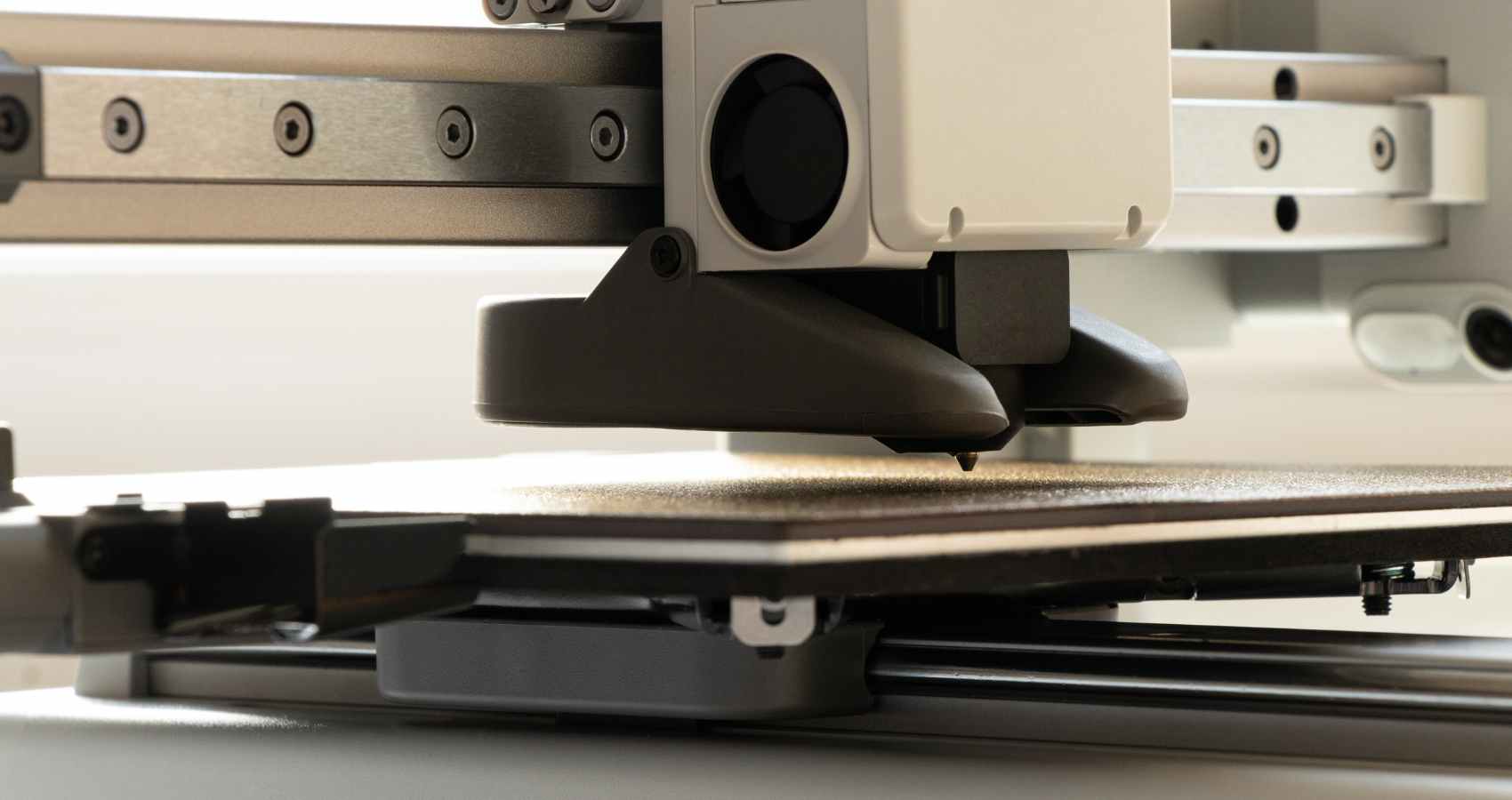
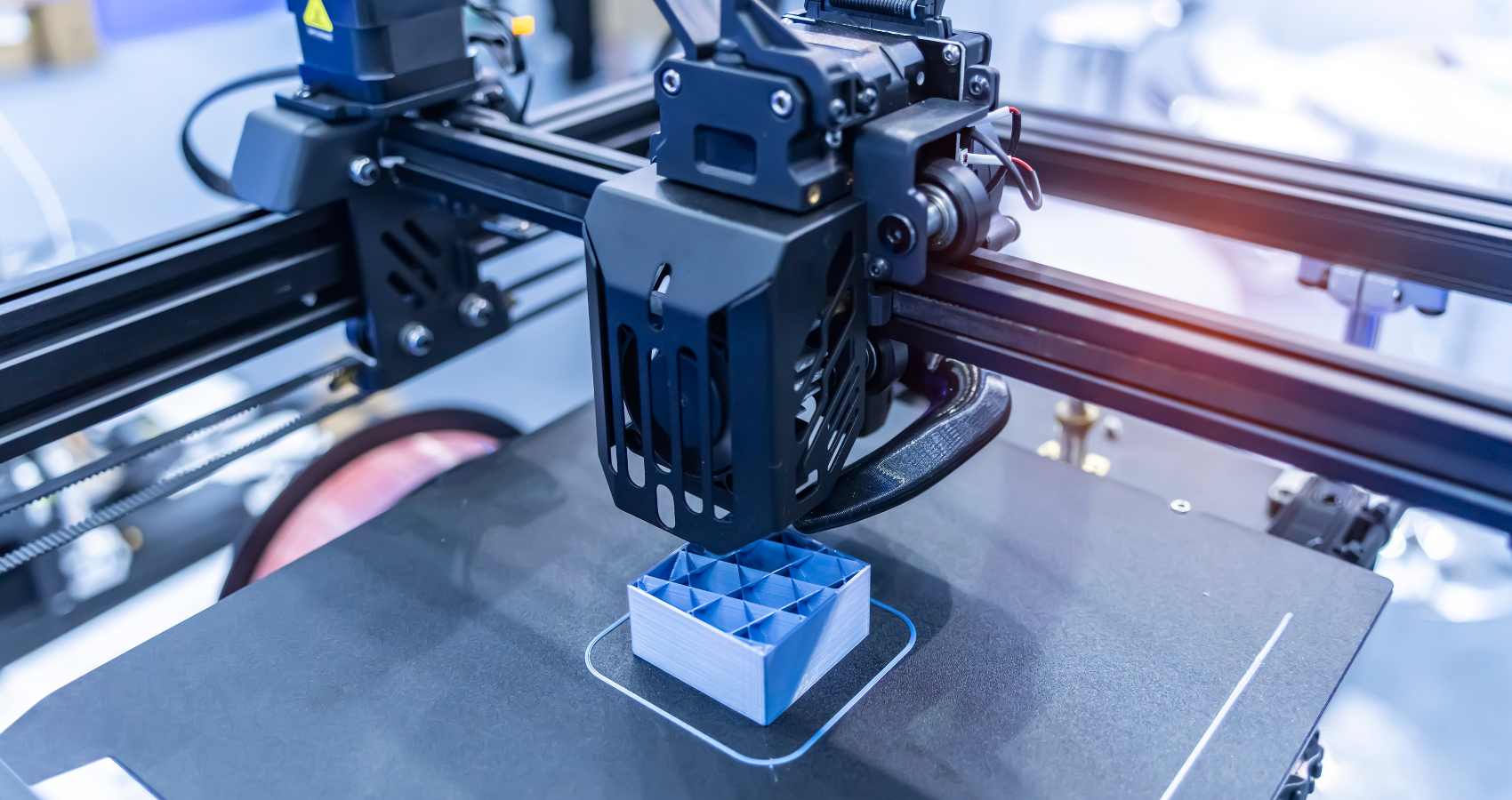
Additive manufacturing is not only a technological challenge but also a decision-making one. The article explores how multi-criteria and multi-objective decision analysis tools help companies manage complexity, uncertainty, and trade-offs in selecting and using 3D printing technologies.
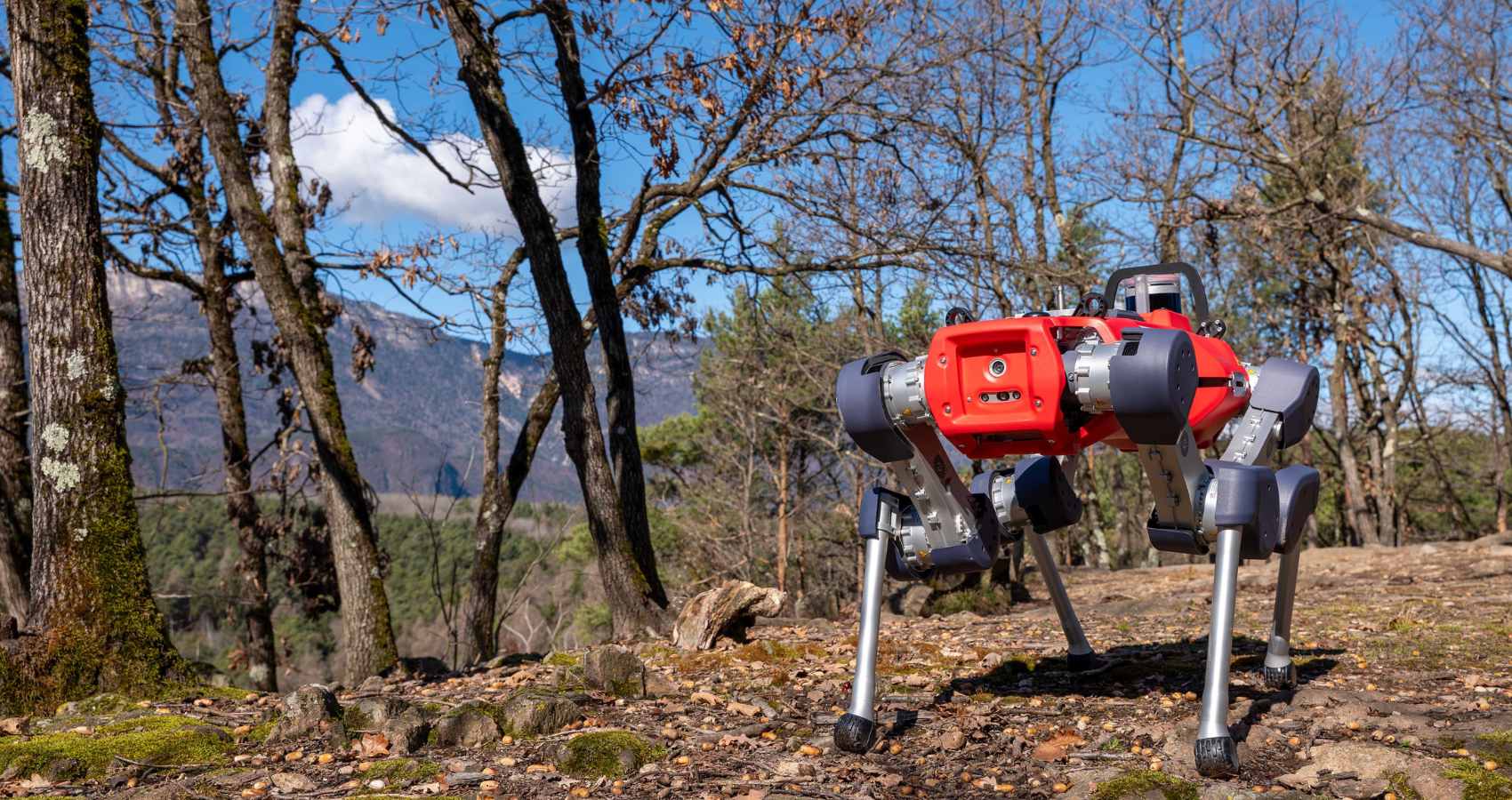
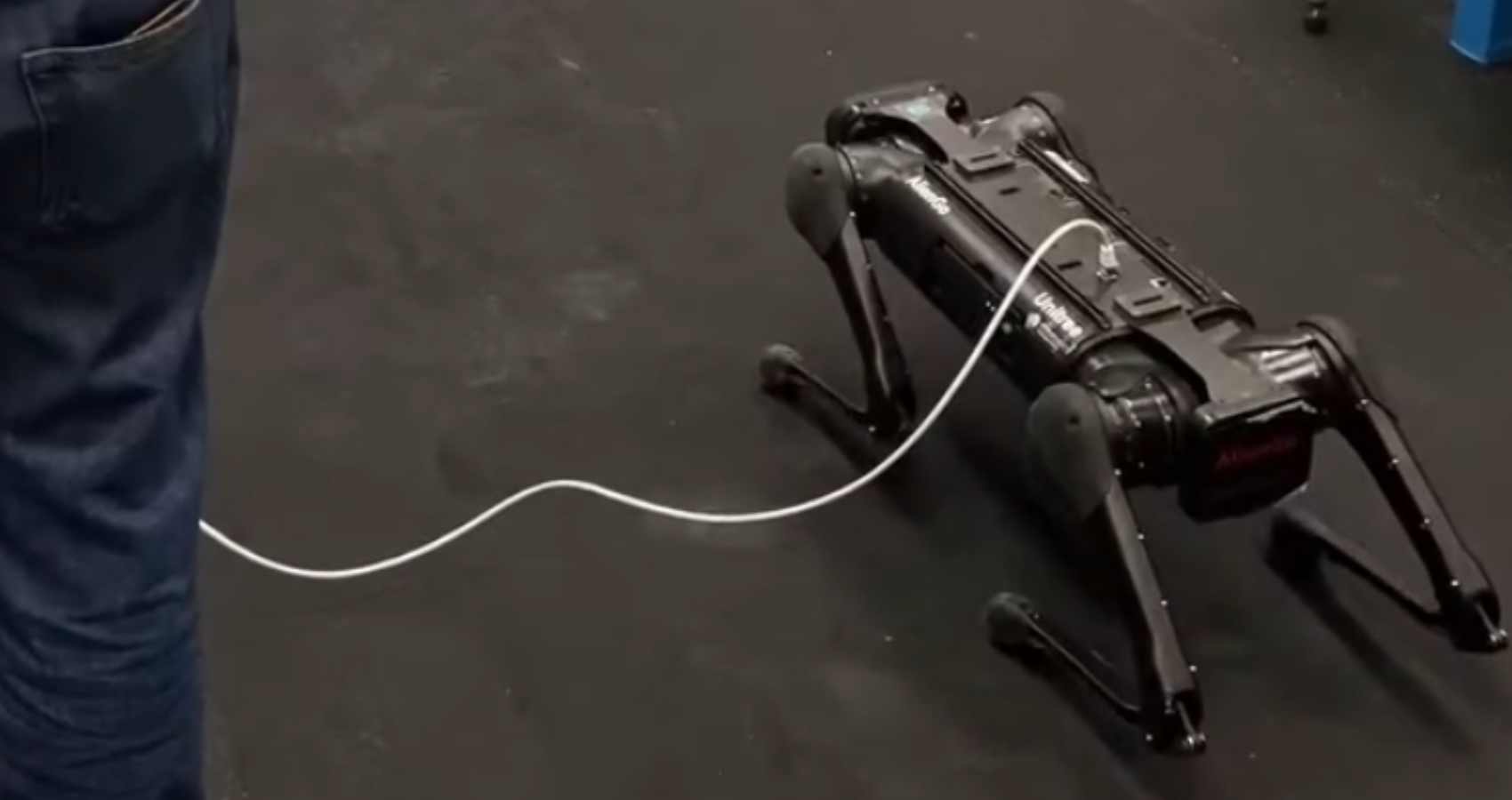
The Department in collaboration with the Free University of Bozen-Bolzano is developing quadruped robots and drones for automated alpine forest mapping using SLAM algorithms and AI. The Digiforest and FORMA projects integrate advanced sensors to monitor forest health and biodiversity, while new research applies robotics to the study of animal behavior.
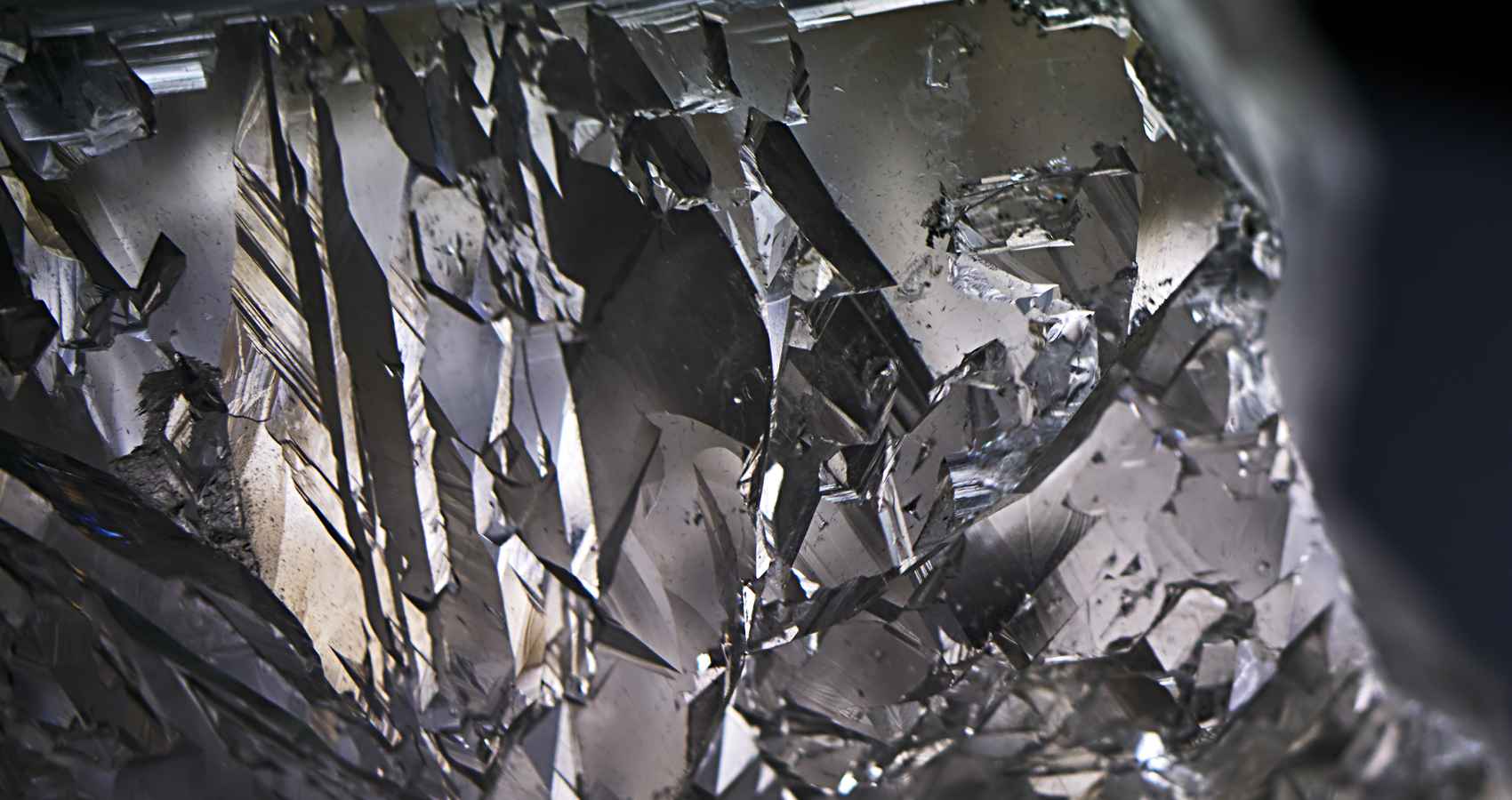
Let’s trace the evolution of polymer-derived ceramics (PDCs), from Yajima’s breakthrough to advanced applications developed at DII. By controlling precursor chemistry, researchers obtain innovative materials such as transparent silicon oxycarbides, ultralight aerogels, and high-performance composites, opening new frontiers in materials design.
TinyML enables machine learning on resource-constrained devices typical of IoT. It offers benefits such as local processing, low latency, improved privacy, and reduced energy consumption, while posing challenges in model optimization, compression, and computational capacity.
This work introduces an innovative approach to olefin oxidative cleavage based on the in situ generation of nitrate radicals via TiO₂ photocatalysis. The method enables the production of carbonyl compounds under mild conditions while reducing hazardous oxidants. Electro-assisted systems further enhance efficiency and sustainability for scalable applications.
A physics-guided AI approach uses structured neural networks to model brake wear emissions, combining engineering knowledge and data to achieve more interpretable, efficient, and robust predictive models.
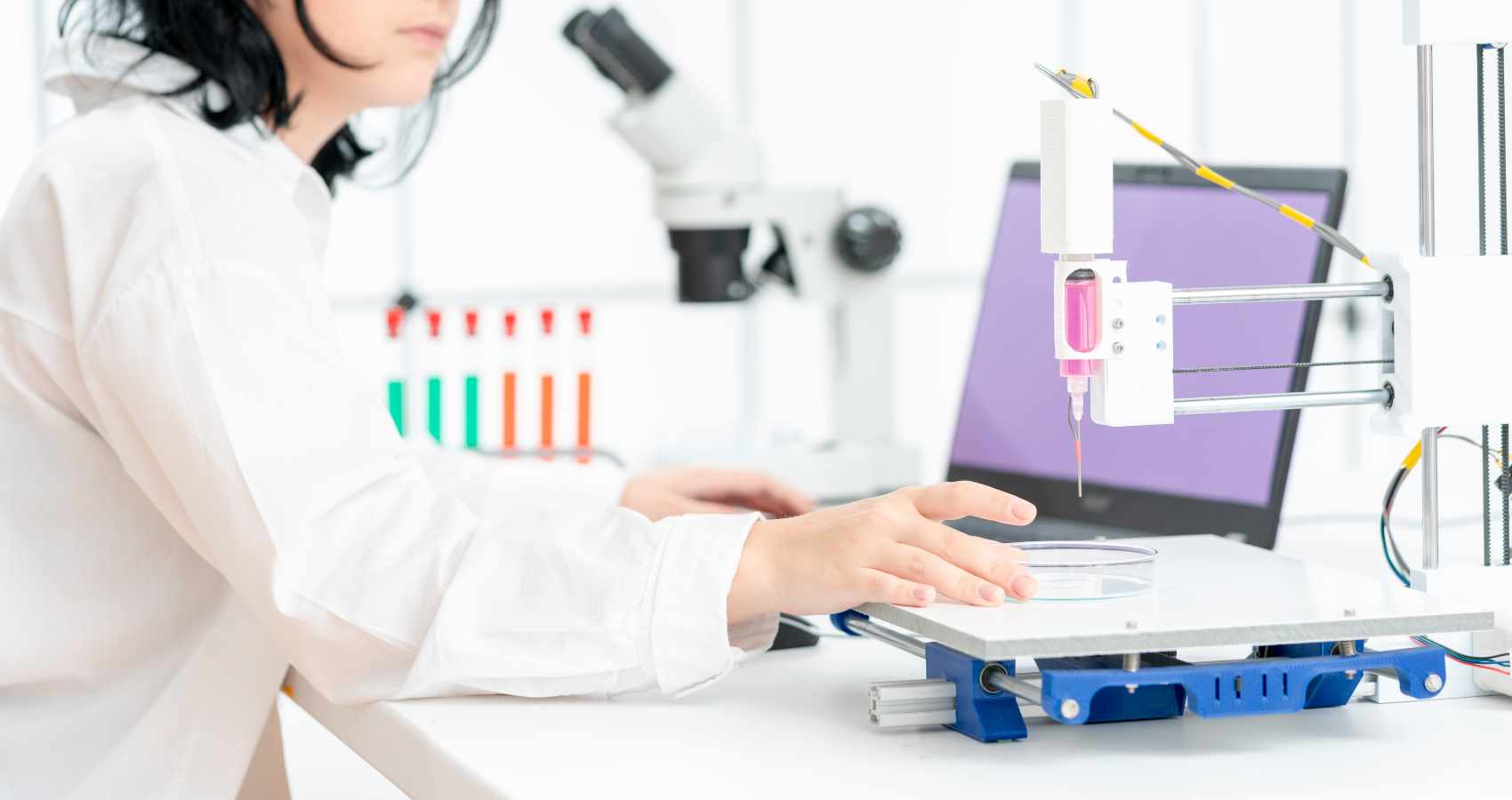
An interdisciplinary study between Trento and Sydney explores natural bioinks for bone regeneration. Using 3D bioprinting and materials such as silk fibroin, hydroxyapatite, and tropoelastin, bioactive, sustainable, and customizable scaffolds were developed.
The collaboration between the University of Trento’s Department of Industrial Engineering and INFN-TIFPA develops cutting-edge technologies ranging from radiation sensors and quantum devices to space mission systems. This multidisciplinary ecosystem transforms fundamental physics research into applications for medicine, industry, and space exploration.
The PRIN 2022 project examines how metrology can enhance the reliability of scientific evidence in criminal trials. By focusing on measurement uncertainty and developing operational guidelines, the research promotes a culture of methodical doubt to prevent cognitive bias and wrongful convictions, strengthening the dialogue between science and law and improving judicial decision-making.
The JETCELL project investigates Binder Jetting 3D printing to design innovative anodes for direct carbon fuel cells. By using biochar derived from olive pomace and red mud from aluminum production, the research aims to convert hazardous waste into valuable energy resources, boosting efficiency, sustainability, and circular economy strategies.
This work presents a Constrained Reinforcement Learning approach for quadruped locomotion. A custom PPO variant with adaptive discounting enables the Unitree Aliengo robot to learn safe, stable, and energy-efficient gaits through a robust sim-to-real pipeline.
The article addresses the space rendezvous problem, focusing on the controlled approach between satellites in elliptical orbits, and introduces novel impulsive control strategies. By leveraging advanced tools such as Floquet–Lyapunov theory and hybrid dynamical systems, the research enables precise, fuel-efficient, and safe maneuvers for future autonomous satellite missions.
Vuoi restare aggiornato

Iscriviti alla newsletter di DII News

You want to stay updated

Subscribe to the DII News newsletter